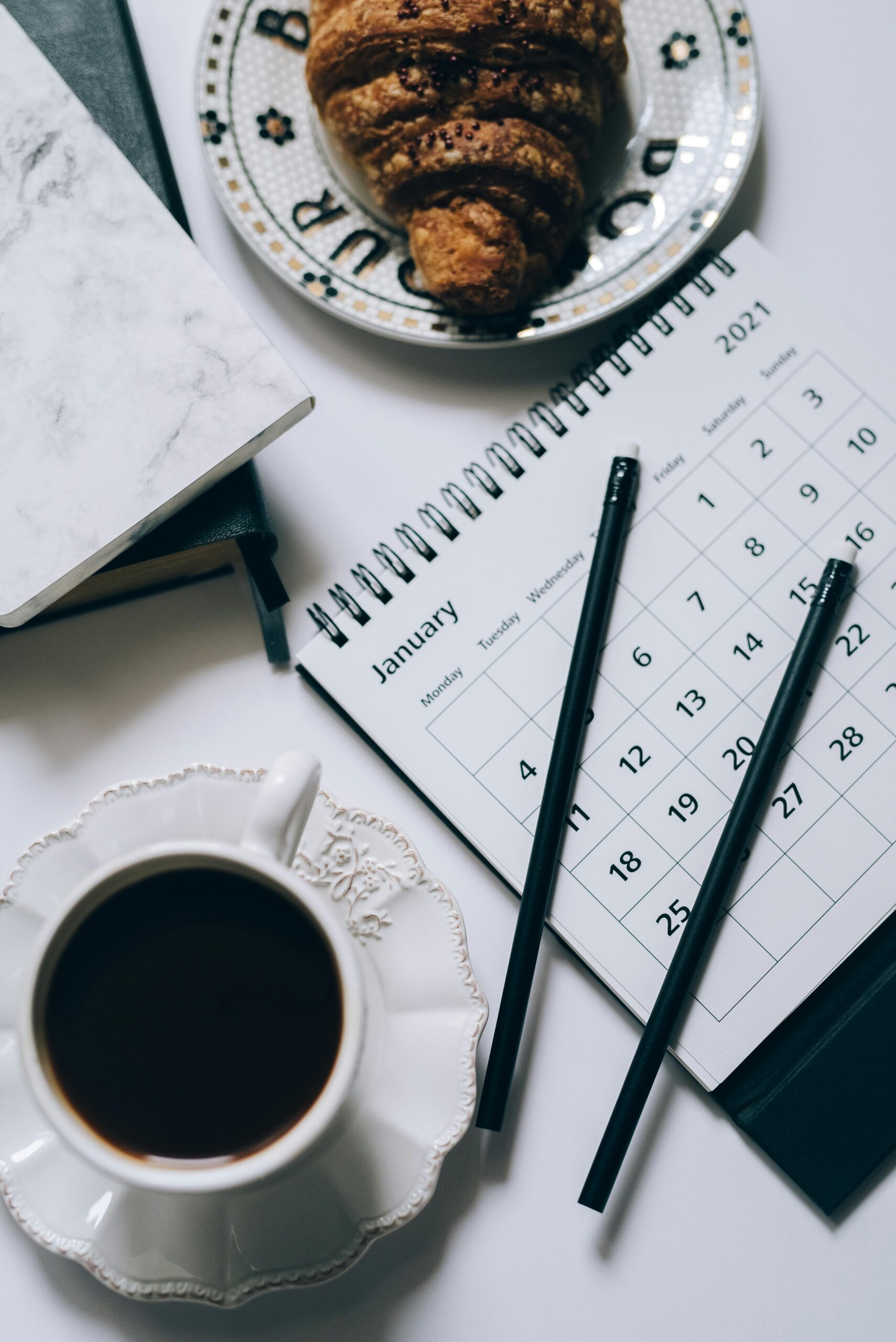
There are phases in life where everything starts piling up at once; work, school, social life, ambition of self-development, the need to rest. And suddenly, what once felt manageable turns overwhelming.
Trust me, you are not alone in this.
Especially when you’re entering a new chapter that requires change, it’s easy to overestimate what you can handle. You want to do everything right, fix everything at once, become your “best self” overnight. So you create the perfect routine… and a few days later, you crash.
But here’s the truth:
It doesn’t have to get to that point.
Burnout isn’t a sign that you’re incapable. It’s often just a sign that your system isn’t sustainable yet. And the solution isn’t doing less (because let’s be honest, sometimes we don’t have a choice), it’s doing things differently.
Small habits and simple routines are what create real structure. They reduce decision-making, they guide you through your day, and eventually they run on autopilot. And that’s where life starts to feel lighter again.
How to actually build a routine
Let’s be honest: Building a routine sounds aesthetic… until you have to live it.
Wake up. Don’t snooze. Drink water. Go outside. Come back. Change. Work out. Journal. Shower. Do your Skin care. Get dressed. Make breakfast. Take supplements…
I think you see where I’m going. It sounds good! but in reality? That’s already 10 decisions before your brain is even fully awake.
And that’s exactly the problem.
When you go from doing nothing to doing everything, every single step feels like resistance. You have to choose each action consciously, and that drains your energy fast. No wonder it doesn’t last.
So instead of forcing a completely new routine, build on what already exists.
Let’s say your current morning looks like this:
Wake up → check your phone for 30 minutes → go to the bathroom → make coffee
Don’t try to delete the habit instantly. Adjust it:
Wake up → check your phone for 10 minutes → play a playlist → go to the bathroom → drink a glass of water → make coffee
See the difference?
You’re not removing everything. You’re simply guiding yourself into better habits. One small shift leads to the next, and over time, the old habits naturally fade.
This is how real routines are built. Not in a day. Not in a “perfect week.”
But step by step.
Because an identity shift doesn’t come from becoming a completely new person overnight; it comes from elevating who you already are.
Plan your time with intention
We’ve all heard it: “Plan your week.”
And yes, it’s basic. But it’s also powerful.
Planning gives your days structure. It removes the constant question of “What should I be doing right now?” and replaces it with clarity.
For example, instead of cramming everything before exams, create a weekly rhythm:
- Monday: Math
- Tuesday: Physics & Chemistry
- Wednesday: Vocabulary
- Thursday: Creative hobbies
It might feel repetitive. Some days might even feel “too easy.”
But that’s the point.
Routine removes pressure.
You don’t feel behind, you don’t feel scattered, you feel in control. And you notice the pressure going down.
Use your small time slots
One of the biggest mindset shifts:
Stop waiting for perfect time blocks.
You don’t always need two free hours to be productive.
- 5 minutes → answer emails
- 10 minutes → review notes
- 15 minutes → quick workout
- 20 minutes on the train → study instead of checking your phone
These small moments add up more than you think. Consistency beats intensity. Always.
Instead of skipping something completely because you “don’t have time,” shrink the task. Because next time you have less pressure when doing it, even if it’s just a little.
A little is always better than nothing, and over time, those small efforts become real progress.
Plan your breaks (this is non-negotiable)
Now this is where most people get it wrong.
You plan your tasks… but not your rest.
And that’s exactly what leads to burnout.
Breaks are not something you “earn” after being productive.
They are something you schedule to stay productive.
Plan them intentionally:
- A walk after dinner
- A coffee break with no phone
- A Pilates class
- A movie or series night
- Even scrolling—but consciously
Because if you don’t plan breaks, you fall into what I call “half-breaks.”
You’re working… but checking your phone every few minutes.
You’re studying… but mentally somewhere else.
And at the end of the day, you feel like you did nothing.
Clear breaks give your brain safety.
They allow you to fully rest and then fully focus again.
Final thoughts
Using your time efficiently is not about being perfect.
It’s a skill—and like any skill, it takes time to build.
Some days will feel easy. Other days won’t go as planned.
That’s okay.
What matters is that you keep showing up, adjusting, and building a life that actually supports you.
Start small. Stay consistent. Trust the process.
And slowly, without forcing it—
your routine will stop feeling less like pressure…and more like freedom.
I hope you enjoyed reading my blog! If you’re interested for more, here’s my latest blog <3: The Real Reason Weight Loss Doesn’t Stick – and how to fix it – RomComToMe